↓
 

Panama City Land Surveying

Local Land Surveyors in Panama City, Florida

Panama City Land Surveying
  • Home
  • ALTA Survey
  • Boundary Surveying
  • Construction Survey
  • Drone LiDAR Mapping
  • Elevation Certificate | Flood Survey
  • Land Surveying
  • Topographic Survey
  • Blog
  • Contact Us
Home 1 2 3 … 7 8 >>

Post navigation

← Older posts

Welcome to Panama City Land Surveying

Panama City Land Surveying Posted on August 18, 2017 by PCBSurveyorApril 7, 2020

This site is intended to provide you with information on Land Surveying in the Panama City, FL and Bay County area of Florida. If you’re looking for a Panama City Land Surveyor, you’ve come to the right place. If you’d rather talk to someone about your land surveying needs, please call our local number at (850) 640-6404 today. For more information, please continue to read.

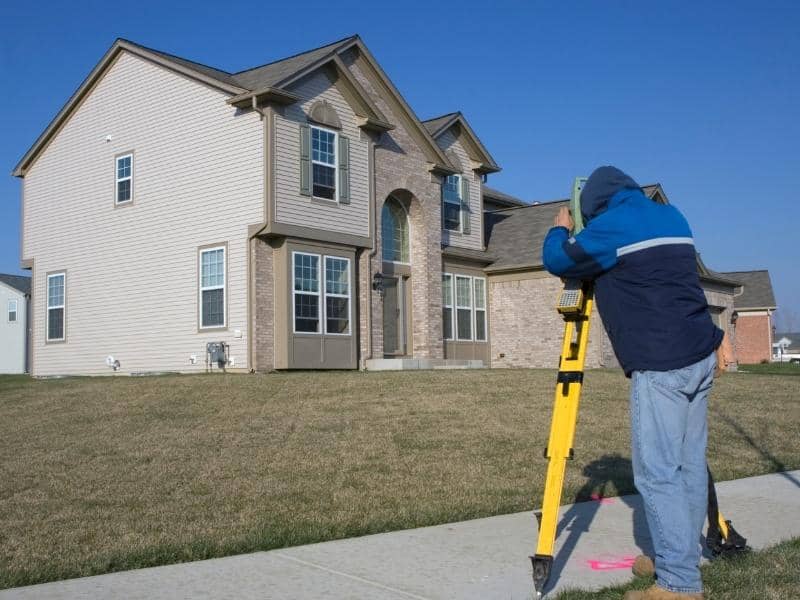
land surveyingLand Surveyors are professionals who make precise measurements to determine the size and boundaries of a piece of real estate.  While this is a simplistic definition, boundary surveying is one of the most common types of surveying related to home and land owners. If you fall into the following categories, please click on the appropriate link for more information on that subject:

Panama City Land Surveying services:

    1. I need to know where my property corners or property lines are. (Boundary Survey)
    2. I have a loan closing or re-finance coming up on my home in a subdivision. (Lot Survey)
    3. I need a map of my property with contour lines to show elevation differences for my architect or engineer. (Topo Survey)
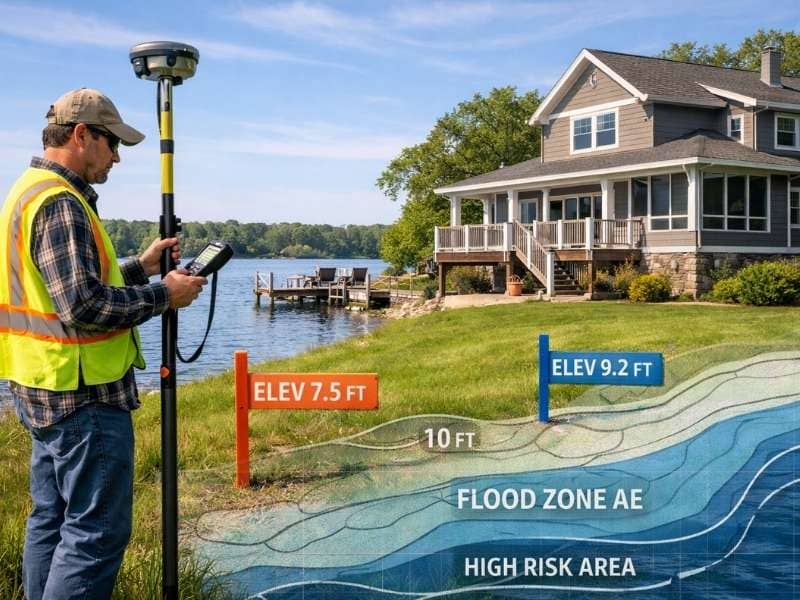
    4. I’ve just been told I’m in a flood zone or I’ve been told I need an elevation certificate in order to obtain flood insurance or prove I don’t need it. (Elevation Certificate)
    5. I’m purchasing a lot/house in a recorded subdivision. (Lot Survey – See Boundary Survey if you’re not in a subdivision.)
    6. I’m purchasing a larger tract of land, acreage, that hasn’t been subdivided in the past. (Boundary Survey)

Contact Panama City Land Surveying services TODAY at (850) 640-6404.

Posted in boundary surveying, elevation certificate, land surveying, land surveyor | Tagged boundary survey, land surveyor, land surveyor nashville tn, Panama City Land Surveying

What Is a Property Easement and How Does It Affect Your Land?

Panama City Land Surveying Posted on June 5, 2026 by PCBSurveyorMay 27, 2026
Aerial view of a residential property showing boundary lines and a utility easement area across the land

When you buy a piece of land, you expect to own everything on it and have full say over how it is used. But that is not always the case. Some properties come with easements attached, and if you do not know about them, you could be in for a big surprise.

An easement is a legal right that allows someone else to use part of your property for a specific purpose. The person or organization holding the easement does not own your land. They simply have the right to use a portion of it in a certain way. That right stays with the land, which means it transfers to the new owner when the property is sold.

Why Do Easements Exist?

Easements exist because land is not always arranged in a way that gives everyone fair access to what they need. A neighbor’s property might be completely surrounded by other lots with no road access. A utility company may need to run a power line across private land to reach a neighborhood. A city may need a strip of land for a drainage pipe.

Rather than forcing a sale of part of the land, the law allows these needs to be met through an easement. The property owner keeps ownership. The other party gets limited, specific use rights.

Common Types of Property Easements

Utility Easements

Utility easements are the most common type. They give power companies, water authorities, cable providers, and other utilities the right to install and maintain lines, pipes, and equipment on your property.

If you have overhead power lines crossing your yard or a water main running under your driveway, there is likely a utility easement in place. You cannot build a permanent structure, like a garage or shed, over or within the easement area without permission.

Access Easements (Right-of-Way)

An access easement gives someone the legal right to cross your property to reach another location. This is common in rural areas where one property sits behind another with no direct road access.

For example, if your neighbor’s land is landlocked behind yours, they may have a legal right to drive across a section of your property to reach the public road. That right cannot be taken away, even if you sell your land to someone else.

Drainage Easements

Drainage easements allow water to flow across a section of property through pipes, ditches, or natural channels. Local governments and developers often create these to manage stormwater in neighborhoods. Property owners within a drainage easement area usually cannot fill in ditches, block flow paths, or plant large trees that could damage drainage infrastructure.

Conservation Easements

A conservation easement is a voluntary agreement between a landowner and a land trust or government agency. The owner keeps the property but gives up the right to develop it in ways that would harm its natural or agricultural value. These protect forests, wetlands, farmland, and scenic land.

How Is an Easement Created?

Easements can be created in several ways:

  • By deed. The most common way. The easement is written into the property deed or a separate recorded document.
  • By plat. When land is subdivided, the plat map often shows utility and access easements for each lot.
  • By necessity. A court can grant an easement when a property has no legal way to reach a public road.
  • By prescription. If someone uses part of your land openly for a long period without permission, they may be able to claim a legal right to continue. The required time period varies by state.

How Does an Easement Affect Your Property?

An easement limits what you can do with the portion of your land it covers. You still own the land, but you cannot interfere with the easement holder’s legal right to use it. This can affect where you build structures, where you plant trees, and in some cases, the value of your property.

Here is what easements mean in practical terms:

  • You cannot build a structure in an easement area without written approval from the easement holder
  • The easement holder may enter your property to maintain equipment or infrastructure
  • You are still responsible for property taxes on the easement area
  • If you violate an easement, you can be taken to court and required to remove whatever was built

Most easements only affect a narrow strip of land, not the entire property.

How Do You Find Out If Your Property Has an Easement?

  • Check the deed. Easements are often listed in the property deed or chain of title documents.
  • Review the plat map. The recorded plat for your subdivision usually shows easements on each lot.
  • Order a title search. A title company can identify all recorded easements in the ownership history.
  • Get a survey. An ALTA survey is the most thorough option. It shows exactly where each easement sits on the ground.

If you are buying property, always check for easements before closing. Some are obvious. Others only appear through a careful title search or survey.

Can an Easement Be Removed?

Yes, but it takes a formal process. An easement can end if the holder gives up the right in writing, the purpose no longer exists, both parties agree to end it, or a court orders its removal. Simply ignoring an easement for years does not cancel it. One created by deed stays on record until it is formally released.

Frequently Asked Questions

Can I fence off an easement area on my property? 

It depends on the type of easement. For utility easements, you may be able to install a fence but must leave access for maintenance crews. Check the easement language before putting up any barriers.

Does an easement lower my property value? 

It can, depending on the type and location. A small utility easement along the back edge of a lot typically has little impact. A large access easement that cuts through the middle of a yard can reduce usable space and affect resale value.

What if someone is using my land without an easement? 

That is called an encroachment, and it is a separate legal issue from an easement. You should contact a licensed surveyor to document the situation and speak with an attorney about your options.

Do easements show up on a property survey? 

Yes, depending on the survey type. A boundary survey notes recorded easements in the legal description. An ALTA survey shows them on the map with their exact location and dimensions.

Posted in boundary surveying | Tagged boundary survey

What Is an ALTA Survey and When Is It Required?

Panama City Land Surveying Posted on June 3, 2026 by PCBSurveyorMay 24, 2026
Aerial view of a commercial property with highlighted boundary lines and easement areas commonly reviewed during an ALTA land survey

If you have ever been involved in a commercial real estate deal, you may have heard someone mention an ALTA survey during the closing process. It sounds like a technical term, but the idea behind it is simple.

An ALTA survey is the most detailed type of land survey available. It gives lenders and title insurance companies a full picture of a property before a major transaction takes place. It does much more than measure property lines. It records everything that could affect who owns the land, how it can be used, and what it is worth.

What Does ALTA Stand For?

ALTA stands for the American Land Title Association. The survey standard is created together with the National Society of Professional Surveyors (NSPS).

These two groups wrote a set of national rules that every ALTA survey must follow, no matter which state the property is in. Most other survey types follow state rules, which can be different from place to place. An ALTA survey uses the same rules everywhere in the country. That matters to banks and title companies that handle deals in many different states.

What Does an ALTA Survey Include?

An ALTA survey includes everything in a standard boundary survey, plus a detailed look at easements, utility lines, encroachments, access points, flood zone status, and zoning. It follows national standards set by ALTA and NSPS and is required for most commercial real estate transactions.

A standard ALTA survey covers:

  • The exact location of all property boundary lines
  • All buildings and improvements on the property
  • Easements and rights-of-way that cross or border the land
  • Visible utility lines above and below ground
  • Encroachments from or onto neighboring properties
  • Driveways and road access points
  • Parking areas and their dimensions
  • Flood zone status from FEMA maps
  • Zoning classification from the local government

The survey also identifies items found in the title commitment. A title commitment is a document the title company prepares before closing that lists known issues with the property. If that document mentions an easement or restriction, the ALTA survey shows exactly where it sits on the ground.

How Is an ALTA Survey Different From a Boundary Survey?

A boundary survey answers one question: where are the property lines? An ALTA survey starts with that same answer and then adds much more information on top of it.

A simple way to think about it: a boundary survey is the foundation. An ALTA survey is the whole building.

FeatureBoundary SurveyALTA Survey
Property linesYesYes
Corner monumentsYesYes
Easements shownSometimesAlways
Utility linesNoYes
EncroachmentsSometimesYes
Flood zone statusNoYes
Zoning informationNoYes
National standardsNoYes
Typical useResidentialCommercial

When Is an ALTA Survey Required?

An ALTA survey is required by lenders and title companies before closing on a commercial real estate purchase, refinance, or large development project. It is rarely needed for a standard home purchase but is standard in almost every commercial transaction.

Commercial Purchases and Refinancing

When a business or investor buys commercial property, the lender almost always requires an ALTA survey before approving the loan. The same is true when a commercial property is refinanced. The bank needs to know exactly what it is lending money against.

Before Title Insurance Is Issued

Title insurance protects the buyer and lender if a problem with the property’s ownership comes up after closing. Before a title company will issue this protection on commercial property, it needs the full documentation that only an ALTA survey provides.

Large Developments and National Lenders

Developers building apartment complexes or mixed-use projects often need an ALTA survey for permitting and financing. Banks that work across many states also require them because the national standards give a consistent, reliable document no matter where the property is.

Who Performs an ALTA Survey?

Only a licensed Professional Land Surveyor can perform an ALTA survey. The surveyor must follow the current ALTA/NSPS standards, and the version used must be listed on the face of the survey.

The title company usually gives the surveyor two things to work with: a copy of the title commitment and a list of specific items called Table A items. These are the extra details the lender or buyer wants included. Some are standard. Others are optional add-ons.

How Much Does an ALTA Survey Cost?

An ALTA survey for a smaller commercial property usually costs between $2,000 and $6,000. Larger or more complex sites can cost $10,000 or more depending on acreage, improvements, and the items requested.

ALTA surveys cost more than other surveys for a few clear reasons:

  • More research. The surveyor must study title documents and easement records before going to the field.
  • More fieldwork. Every building, utility line, and access point must be found and measured.
  • Strict rules. Meeting the ALTA/NSPS standards takes more time in both the field and the office.
  • Higher stakes. These surveys are used in high-value deals, and that responsibility is part of the fee.

For a commercial property worth hundreds of thousands or millions of dollars, the cost of an ALTA survey is a small price to pay for that level of detail and protection.

Frequently Asked Questions

Do I need an ALTA survey to buy a house? 

Usually not. Most home purchases use a standard boundary survey or an existing one already on file. ALTA surveys are for commercial deals. If you are buying a larger property or one with a commercial use, ask your lender whether one is required.

How long does an ALTA survey take? 

Most take two to four weeks after the order is placed. Properties with complicated easement histories or large acreage can take longer.

What are Table A items? 

Table A is a list of extra details that can be added to the survey. Examples include the location of parking spaces, underground utilities, or the square footage of buildings. Each item adds information and may add cost.

Can an ALTA survey replace a boundary survey? 

Yes. An ALTA survey meets or exceeds everything a boundary survey covers, so it works wherever a boundary survey is needed. But a basic boundary survey cannot be used in place of an ALTA survey for commercial loans or title insurance.

Posted in alta survey | Tagged alta survey

Boundary Survey vs. Property Survey: What’s the Difference?

Panama City Land Surveying Posted on June 1, 2026 by PCBSurveyorMay 24, 2026
Land surveyor reviewing a property survey map beside boundary markers and a fence line in a residential neighborhood

If you have been looking into getting your land surveyed, you have probably seen both of these terms. Boundary survey. Property survey. They sound like two different things, but most of the time they are referring to the same service.

Here is the short answer: a boundary survey and a property survey are the same type of survey. “Property survey” is simply the everyday term that most homeowners use. “Boundary survey” is the professional term that licensed surveyors and legal documents use. Both refer to the process of officially measuring and marking the legal edges of a piece of land.

That said, “property survey” can sometimes be used loosely to describe other types of surveys, which is where the confusion starts. This article will clear that up and explain exactly what a boundary survey does, when you need one, and what to expect.

What Is a Boundary Survey?

A boundary survey is an official measurement of a property’s legal edges. A licensed surveyor researches historical records, measures the land, and places permanent markers at the corners. The result is a legal document showing exactly where one property ends and another begins.

A boundary survey answers one basic question: where exactly does your property begin and end?

To answer that question, a licensed land surveyor does several things:

  • Reviews the legal description and deed for the property
  • Searches public records for historical surveys, plats, and deeds going back as far as needed
  • Visits the site and looks for existing property corner monuments
  • Takes precise field measurements across the property
  • Places permanent markers, called monuments or pins, at the legal corners
  • Prepares a plat or survey map showing the exact boundary lines and dimensions

The finished survey becomes a legal document. It can be used in court, filed with the county, and referenced in future real estate transactions.

What Are Property Pins?

Property pins are small metal stakes, usually iron or steel, that a surveyor drives into the ground to mark the corners of a property. You can sometimes find them with a metal detector just below the surface.

These pins are legally protected. Moving or removing one without authorization is a crime in most states. If you find a pin that looks disturbed, contact a licensed surveyor before acting on its location.

When Do You Need a Boundary Survey?

You need a boundary survey any time there is a question about where your property lines are. Common situations include buying or selling land, building near a property edge, settling a neighbor dispute, installing a fence, or dividing a parcel into smaller lots.

Before Buying or Selling Land

A boundary survey confirms that the property you are buying matches what is described in the deed. Without one, you could end up owning less land than you paid for, or find out after the sale that a structure sits on a neighbor’s property.

Before Building Near a Property Line

Zoning laws require buildings, fences, and other structures to sit a set distance from the property line. This is called a setback. Before starting any construction near the edge of your lot, a boundary survey tells you exactly where that line is so you stay within the rules.

When a Neighbor Dispute Comes Up

Disagreements over property lines are one of the most common reasons people hire a surveyor. A boundary survey provides a legal, documented answer that both parties and the courts can rely on.

Before Installing a Fence

Installing a fence along a line you only think is correct can lead to encroachment disputes and expensive removal costs later. A boundary survey makes sure your fence goes up in the right place the first time.

When Dividing Land

If you want to split a large parcel into smaller lots to sell or develop, a boundary survey is required. Each new lot must have its boundaries legally established and recorded.

What Does a Boundary Survey Produce?

When the survey is complete, the surveyor provides:

  • A plat or survey map showing the property boundaries, dimensions, and corner monuments
  • A legal description of the boundary lines
  • Notes on any encroachments, easements, or overlaps found during research
  • The surveyor’s stamp and signature, which gives the document legal standing

The plat can be filed with the local county recorder’s office to become part of the public record, protecting you and all future owners of the property.

How Long Does a Boundary Survey Take?

For a standard residential lot, the process typically takes one to three weeks from the time you place the order to the time you receive the finished plat. Properties with unclear historical records or large rural acreage can take longer.

How Much Does a Boundary Survey Cost?

A boundary survey for a standard residential lot typically costs between $300 and $1,500. Larger rural properties, irregular shapes, or parcels with complex ownership histories can cost $2,000 or more.

The main cost factors are:

  • Lot size and shape. Larger or oddly shaped parcels take more time to measure.
  • Research difficulty. Properties with unclear deed histories or missing records take longer to research.
  • Existing monuments. If previous corner pins are missing or damaged, the surveyor must do more work to re-establish the corners.
  • Location. Rates vary by region and local market conditions.

Discovering a boundary problem after construction or a sale is far more expensive to fix than the cost of the survey itself.

Frequently Asked Questions

Do I already have a boundary survey from when the house was built? 

You might. Check your closing documents or contact the county property records office. If a survey was done, it may be on file. Keep in mind that an older survey may not reflect current conditions, especially if the land has been divided or if neighboring properties have changed.

Can I use Google Maps or online tools to find my property lines? 

No. Online mapping tools are not legally accurate and should never be used to make decisions about construction, fences, or property disputes. Only a survey done by a licensed land surveyor has legal standing.

What is encroachment? 

An encroachment happens when a structure, like a fence, building, or driveway, crosses over a property line onto a neighbor’s land. Boundary surveys often reveal encroachments that owners did not know existed.

Is a boundary survey required to get a mortgage? 

Not always. Some lenders accept an existing survey, while others require a new one. Check with your lender and title company before closing to find out what is needed.

Posted in boundary surveying | Tagged boundary survey

Post navigation

← Older posts
Get Quote Button
© Copyright Panama City Land Surveying
Panama City, Florida
Phone: (850) 640-6404

Privacy Policy | Terms of Use

Web Development and SEO by:
SEO Company for Professionals

©2026 - Panama City Land Surveying - Weaver Xtreme Theme
↑